Is tankless right for your house?
Short answer: tankless suits households that run out of hot water, want to free up space, and plan to stay long enough to recover the higher upfront cost.
It tends to be a good fit when these are true:
- You regularly run out of hot water with your current tank
- Your old tank is near the end of its life anyway
- You’d like to reclaim the floor space in a closet or garage
- The gas meter and line can be upgraded without major work
- You plan to stay in the house for years, not months
It can be a poor fit if your gas service can’t be upgraded easily, or if you’d rather have the lowest price today over lower running costs later.
What a conversion actually involves
Gas supply: a tankless heater burns much more gas at full blast than a tank heater does, even though it runs for shorter bursts. Many older homes need a larger gas line from the meter, and sometimes the utility has to change the meter too.
Venting: tankless units use different vent pipe from an old tank’s metal flue. Condensing models vent through plastic pipe, and they also make acidic water that needs a drain.
Power: most gas tankless units need a standard electrical outlet for their controls and fan.
Water connections: service valves on the hot and cold lines make future flushing much easier, and a good installer will add them.
Location: units can often be mounted on an outside wall or in the garage, which frees up the space an old tank used.
Permits and paperwork in Whittier
Whittier requires a permit for a water heater replacement, with a CF-1R-ALT energy compliance form. A conversion also adds gas piping and venting work, which the inspector will check. If the new unit goes on an outside wall or in the garage, the Planning Division may ask for a plot or floor plan showing where it goes.
A licensed plumber should handle the permit as part of the job, so confirm that the fee is in the quote.
What a tankless conversion costs
These factors usually move the total:
- Upgrading the gas line, and whether the meter also needs changing
- Condensing or non-condensing unit, and the venting each needs
- Adding an outlet, condensate drain or service valves
- Mounting location and the length of the new runs
- Permit fees and removal of the old tank
Water conservation and newer fixtures
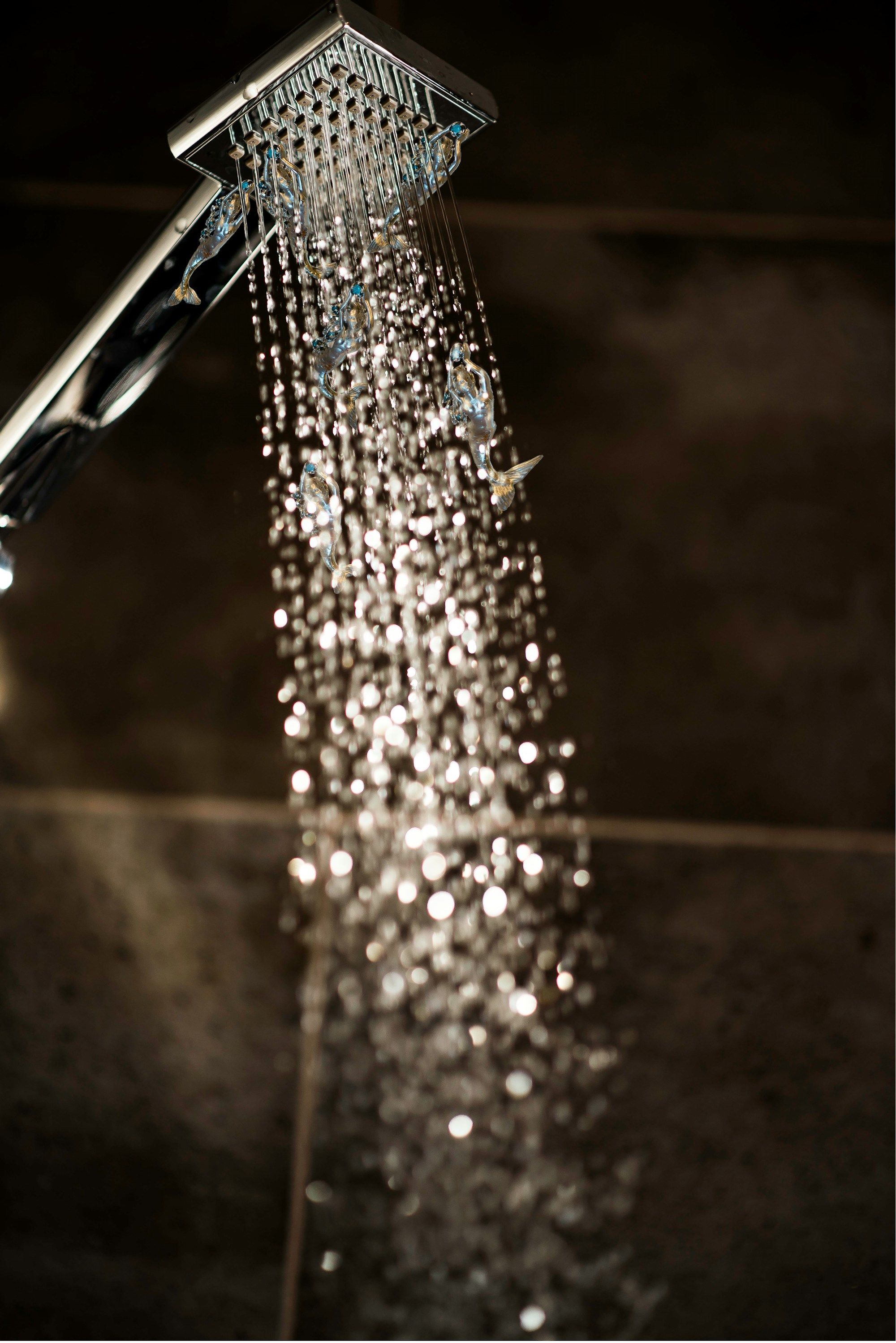
California water rules have pushed many homes toward low-flow showerheads and taps. That matters for tankless, because each unit needs a minimum flow before it fires. A plumber should check that your fixtures and the unit you choose work well together, or you may get lukewarm water at a low trickle.
Scale and maintenance
Hard water leaves scale inside the heat exchanger, which cuts output and can set off error codes. If you see white crust on your faucets and showerheads, plan to have the unit flushed regularly. Some owners add a scale-reducing filter on the cold supply to stretch the time between flushes.
What you can do yourself
This one is worth a DIY try first: flushing the unit with a small pump and a vinegar solution is a routine task. It’s easiest when the installer fitted service valves and you follow the manufacturer’s instructions.
Gas line sizing, venting and the installation itself belong with a licensed C-36 plumber. Undersized gas lines and poor venting cause a lot of tankless trouble, and both are safety issues.